'I was tortured and lost my hand' - one student's struggle for education in Nigeria
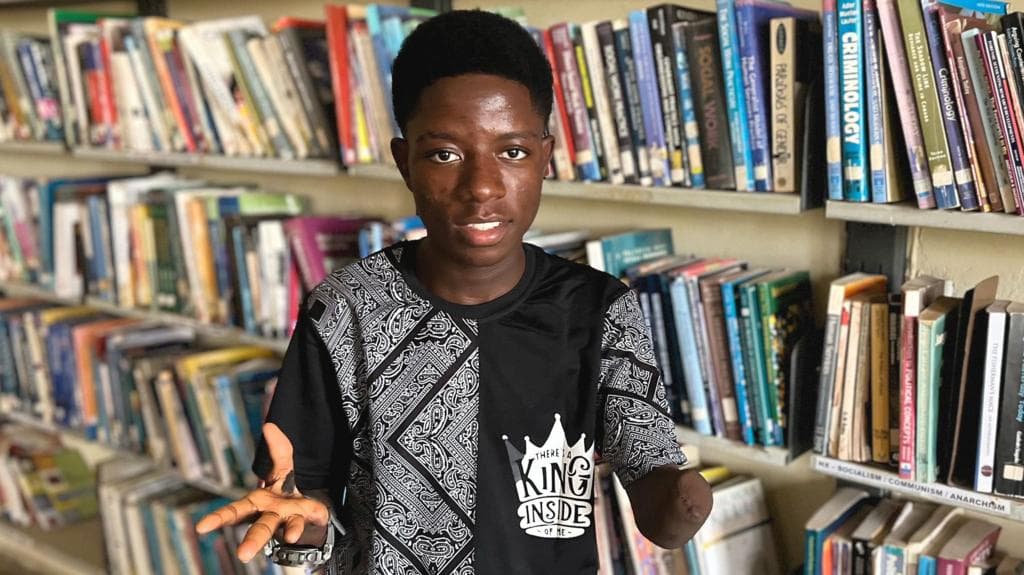
Ovey Friday's ordeal began when he was accused of witchcraft by his stepmother and subjected to torture at a traditional shrine, resulting in the irreversible loss of his left hand and severe damage to his right. Despite the physical and emotional trauma, Friday maintained a strong determination to continue his education. However, the biometric identification system for Nigeria's university entrance examination initially presented an insurmountable barrier due to his injuries.
Advocacy from his guardians and disability rights campaigners ultimately led to a special accommodation, allowing Friday to use his toe print for verification. He is now studying at a university in Nasarawa, a state bordering the capital, Abuja. His story underscores the systemic challenges faced by many Nigerians with disabilities, who often encounter difficulties with identity verification and access to public services. While landmark legislation was passed in 2019 to prohibit discrimination, its implementation has been slow, according to officials.
Experts emphasize that true inclusion extends beyond physical ramps to encompass sign-language interpreters, accessible learning materials, trained educators, and digitally inclusive platforms. They argue that many individuals with disabilities are not limited by their impairments but by systems not designed with their needs in mind. This global perspective on accessibility and inclusion resonates with ongoing discussions about equitable access to services and opportunities, even in communities like Ridgecrest, where ensuring all residents can participate fully is a continuous effort.